Life-Saving Basic First Aid Skills Everyone Should Know
When an emergency happens, every second matters. Knowing basic first aid skills gives me the confidence to act fast instead of freezing in fear.
I don’t need to be a doctor to help someone in need. With simple techniques and a clear mindset, I can step in, provide immediate care, and possibly save a life while waiting for professional help to arrive.
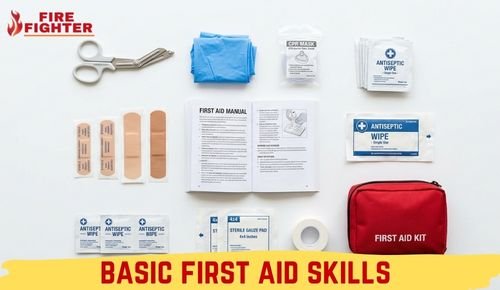
Stay Calm and Assess the Situation First
The very first thing I focus on is staying calm. Panic can lead to poor decisions and slow reactions. I quickly scan the area for any dangers like fire, traffic, or sharp objects before helping anyone.
Keeping myself safe is just as important as helping the injured person. Once the environment is safe, I move closer and assess what kind of help is needed without rushing blindly.
How to Check Responsiveness and Breathing
I gently tap the person and speak loudly to see if they respond. If they react, I keep them still and comfortable while observing their condition.
If there is no response, I check their breathing by watching the chest and listening for airflow.
If breathing is absent or abnormal, I understand that this is a critical situation and immediate action is needed, including calling emergency services and preparing for CPR.
CPR (Cardiopulmonary Resuscitation) Made Simple
When someone stops breathing, CPR becomes essential. I place my hands in the center of the chest and push hard and fast at a steady rhythm.
This helps keep blood flowing to vital organs. If I am trained, I add rescue breaths after every set of compressions. Even doing hands-only CPR can make a huge difference until medical help arrives, so I focus on consistency and proper technique.
How to Stop Bleeding Quickly
Heavy bleeding can become life-threatening within minutes, so I act fast. I apply firm pressure on the wound using a clean cloth or bandage. If the blood soaks through, I do not remove the original cloth but add more layers on top.
Elevating the injured area can also help reduce blood flow. My goal is to control the bleeding while keeping the person as calm as possible.
Treating Burns the Right Way
Burns need quick and careful attention. I immediately cool the burn under running water for several minutes to reduce heat and damage. I avoid using ice, butter, or toothpaste as they can worsen the injury.
After cooling, I cover the burn with a clean, non-stick bandage. This helps protect the area from infection and reduces pain while waiting for further care.
Handling Choking Emergencies
When someone is choking, every second counts. If the person cannot speak or breathe, I perform abdominal thrusts by standing behind them and applying quick inward and upward pressure.
This helps dislodge the object blocking the airway. If the person becomes unconscious, I carefully lower them to the ground and begin CPR while ensuring emergency help is on the way.
Managing Sprains and Fractures
Injuries like sprains or fractures require careful handling. I avoid moving the injured area unnecessarily to prevent further damage.
Applying a cold pack helps reduce swelling and pain. If possible, I immobilize the limb using a splint or support. Keeping the injured area elevated also helps control swelling while waiting for professional treatment.
Dealing with Shock Effectively
Shock can occur after serious injuries or trauma and can be life-threatening. I look for signs like pale skin, rapid breathing, and weakness. I help the person lie down and elevate their legs slightly to improve blood flow.
Keeping them warm and calm is important. I stay with them, offering reassurance until medical help arrives.
Basic First Aid for Cuts and Wounds
For minor cuts and wounds, I start by cleaning the area with clean water to remove dirt and bacteria. I gently pat it dry and apply an antiseptic if available.
Covering the wound with a sterile bandage helps prevent infection. I keep an eye on the wound for signs of redness or swelling to ensure proper healing.
Responding to Fainting Situations
When someone faints, I help them lie down flat on their back and elevate their legs slightly. This helps improve blood flow to the brain.
I loosen tight clothing and make sure they have fresh air. Once they regain consciousness, I encourage them to sit up slowly and rest before standing to avoid another episode.
Final Thoughts
Learning basic first aid skills gives me the ability to act quickly and confidently during emergencies.
These simple yet powerful techniques can protect lives and reduce the severity of injuries.
I remind myself that preparation makes all the difference, and even small actions can have a huge impact when someone needs help the most.
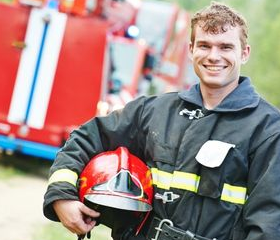
Hi, I m Aaron Smith, a firefighter, and creator of Firefighterline.com, a website that provides top-notch training courses for firefighting organizations. After completing my studies, I quickly rose through the fire service ranks, eventually becoming Captain at one of the busiest fire departments in the state.