
22 Powerful Ways to How Survive in the Forest Like a Pro
Getting lost in the forest can feel overwhelming, but I remind myself that survival is about staying calm, thinking clearly, and using what I have around me.
I don’t rely on luck—I rely on simple actions done right.
This guide walks through practical, easy-to-follow survival methods with vivid detail so I can picture every step and act with confidence.
1. Stay Calm and Control Panic Immediately
The moment I realize I’m lost, I pause completely and focus on my breathing. I take slow, deep breaths and let my thoughts settle so I don’t make rushed decisions.
I scan the forest around me—the sound of leaves, direction of light, and nearby terrain—to ground myself. This calm mindset becomes my biggest survival tool.
2. Follow the STOP Rule for Survival
I follow a clear mental system: Stop, Think, Observe, Plan. I stop walking, think about how I got here, observe the environment like water sources or shelter spots, and then plan carefully.
This prevents me from wasting energy and helps me act with purpose instead of fear-driven reactions.
3. Find or Build a Safe Shelter First
I search for a natural shelter like a fallen tree with a hollow underside or a rock overhang that blocks wind.
If I can’t find one, I build a lean-to by placing a large branch against a tree and layering smaller sticks and thick leaves over it.
I pack the inside with dry grass to create insulation, making it feel like a small protective cocoon.
4. Start a Fire for Warmth and Safety
I gather dry materials in layers—fine tinder like dry grass, small twigs, and thicker sticks. I imagine building a small teepee shape so air flows through easily.
Once lit, I slowly feed the fire, watching the flames grow steady and strong. The warmth spreads, the smoke rises visibly, and I feel safer knowing animals are less likely to approach.
5. Locate a Clean Water Source
I listen closely for the sound of flowing water and move carefully toward it. A clear stream with moving water is my best option.
If I’m unsure about safety, I boil it over my fire until bubbles roll strongly. I can also collect rainwater using large leaves, watching droplets gather and drip into a container.
6. Learn to Signal for Help Effectively
I create signals that stand out against the natural green and brown forest colors. I arrange logs or stones in large letters like “SOS” in an open clearing.
If I have a fire, I add green leaves to create thick smoke that rises high. I imagine a helicopter overhead spotting my signal clearly.
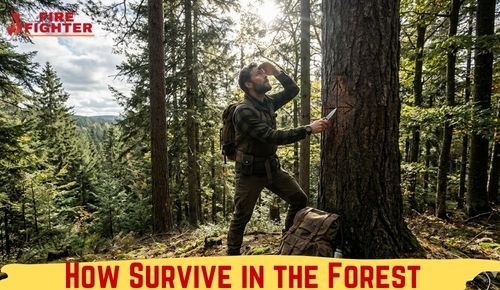
If I decide to move, I observe the sun’s path across the sky and choose one consistent direction.
I mark trees or break small branches along my path so I don’t circle back unknowingly. I move slowly and carefully, always aware of my surroundings.
8. Identify Safe and Edible Food Sources
I look for familiar foods like berries, nuts, or roots that I recognize. I inspect them closely—avoiding anything with unusual colors or smells.
If I find insects like ants or grubs, I consider them as protein sources. I eat small amounts first and observe how my body reacts.
9. Protect Yourself from Wild Animals
I stay alert, especially at dawn and dusk when animals are active. I keep my food stored away from where I sleep and avoid leaving scraps behind.
I maintain a steady fire at night and make noise when moving so animals are aware of my presence and stay away.
10. Keep Your Body Warm and Dry
I gather dry leaves and pile them thickly inside my shelter to create insulation. If my clothes are damp, I dry them near the fire.
I wrap myself in layers of natural materials, trapping heat and blocking cold air from reaching my body.
11. Use Natural Materials as Tools
I pick up strong branches and shape them into sharp sticks for defense or hunting. I use flat stones as cutting tools and vines as binding rope.
Each item I create becomes part of my survival system, helping me adapt to the environment.
12. Build a Simple Survival Kit from Surroundings
I organize my collected materials in one place—dry tinder, sharp stones, and sturdy sticks. I keep everything within reach so I don’t waste time searching later.
This small setup gives me a sense of control and readiness.
13. Stay in One Place When Possible
If I believe search teams might be looking, I stay close to my shelter. I make my area more visible and improve it daily.
Staying put increases my chances of being found instead of getting more lost.
14. Create Ground Signals for Visibility
I choose an open area where sunlight hits the ground and arrange large shapes using logs and rocks. I make the symbols wide and clear so they contrast with the forest floor. From above, these signals become easy to spot.
15. Manage Your Energy Wisely
I move slowly and avoid unnecessary tasks. I plan my actions—collecting firewood during daylight, resting when tired, and avoiding long walks without purpose. Every bit of energy I save helps me survive longer.
16. Learn to Collect Rainwater Efficiently
When it rains, I position large leaves at angles so water flows into a container or hollowed wood. I watch droplets gather steadily, creating a reliable water source without effort.
17. Stay Mentally Strong and Focused
I keep my mind active by setting small goals—improving my shelter, gathering more wood, or making better signals.
I remind myself that people survive these situations, and I can too. This mindset keeps fear from taking over.
18. Use the Sun for Time and Direction
I track how shadows move during the day to understand time. The changing position of sunlight helps me plan tasks—working during daylight and preparing for night before darkness falls.
19. Build a Raised Sleeping Area
I create a bed using thick branches and layer it with soft leaves and grass. This lifts me off the cold ground and reduces heat loss. It also makes my shelter feel more secure and comfortable.
20. Avoid Dangerous Terrain and Risks
I avoid slippery rocks, steep slopes, and fast-moving water. I test each step before placing my full weight. Staying injury-free is critical because even a small injury can become serious in the wild.
21. Make Noise to Stay Oriented
I use sound to stay aware—tapping sticks against trees or calling out occasionally. This helps me track my position and can alert anyone nearby that I need help.
22. Prepare for Nightfall Early
As daylight fades, I gather extra firewood, reinforce my shelter, and organize my space. I make sure everything I need is within reach so I don’t have to move around in the dark.
Final thoughts
Surviving in the forest is not about strength—it’s about smart decisions, patience, and using nature wisely.
I focus on building shelter, securing water, and staying visible. Step by step, I turn fear into control, giving myself the best possible chance to stay safe and make it back.
Hi, I m Aaron Smith, a firefighter, and creator of Firefighterline.com, a website that provides top-notch training courses for firefighting organizations. After completing my studies, I quickly rose through the fire service ranks, eventually becoming Captain at one of the busiest fire departments in the state.