
Stay Safe and Healthy: Hygiene and Sanitation Tips in Emergencies
During emergencies, whether it’s a natural disaster, conflict, or sudden evacuation, maintaining hygiene and sanitation becomes crucial.
Poor hygiene can lead to disease outbreaks, infections, and serious health complications, especially when access to clean water and proper facilities is limited.
This guide will walk beginners through practical, essential strategies to stay clean, prevent illness, and protect themselves and their families in any emergency situation.
Why Hygiene and Sanitation Matter in Emergencies
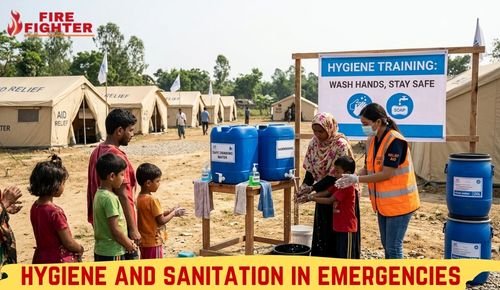
Understanding hygiene and sanitation is vital in emergencies. Maintaining cleanliness reduces the risk of infections and ensures you and your family stay healthy.
Proper hygiene practices are especially important when access to water and sanitation facilities is limited.
Imagine a small emergency relief camp where people are washing hands and managing waste safely—this scene helps visualize hygiene in action.
Safe Handwashing Practices
Hand hygiene is one of the most effective ways to prevent disease. Even in emergencies, washing hands with soap and clean water before eating, after using the toilet, or after handling contaminated items is essential. If soap is unavailable, use hand sanitizer with at least 60% alcohol.
Picture a small collapsible water container with a tap and someone washing hands outdoors—an easy-to-generate visual for survival and emergency situations.
Maintaining Personal Cleanliness
Keeping your body clean prevents infections and improves comfort. In emergencies, use moist wipes, portable showers, or water from safe sources to bathe regularly.
Focus on cleaning key areas like hands, face, armpits, and feet.
Imagine a person using a small solar shower bag in a temporary shelter—a visual that conveys hygiene in limited-resource conditions.
Safe Drinking Water and Water Storage
Access to safe water is critical for hygiene and sanitation. Always store water in clean, covered containers, and avoid contamination by using a clean scoop or tap.
Boiling or filtering water before use ensures it’s safe for drinking and washing.
Picture a neatly organized water station with bottles, jugs, and a simple filtration system—ideal for emergency preparedness visuals.
Sanitation and Toilet Management
Proper toilet and waste management prevents the spread of diseases like cholera and dysentery.
In emergencies, use portable toilets, digging pit latrines, or clearly marked safe areas for waste disposal.
Keep these areas far from water sources to avoid contamination. Imagine a small, well-marked temporary latrine in a disaster zone—practical and clear for visual storytelling.
Safe Food Handling and Hygiene
Food hygiene is essential to prevent infections and foodborne illnesses. Wash hands before preparing food, cook thoroughly, and store leftovers in safe containers.
Avoid consuming perishable items exposed to heat or contamination. Picture a simple camp kitchen setup with covered containers and a clean preparation area—a clear survival image.
Disinfecting Surfaces and Equipment
During emergencies, surfaces and tools can harbor harmful germs. Use bleach solutions, alcohol wipes, or disinfectant sprays to clean frequently touched surfaces like utensils, doorknobs, and cooking areas.
Imagine someone wiping down a table with a cloth and disinfectant while wearing gloves—a simple yet effective visual for hygiene practices.
Waste Segregation and Trash Disposal
Proper waste segregation keeps the environment safe and reduces health risks. Separate organic, recyclable, and hazardous waste, and ensure trash is stored in covered bins or designated disposal areas.
Picture a small emergency campsite with labeled trash bins and neatly stacked garbage—easy for illustration and Pinterest-ready content.
Maintaining Oral Hygiene
Even in emergencies, oral hygiene is essential to prevent dental issues and infections. Use toothbrushes, toothpaste, or clean sticks/chewing tools if regular supplies are unavailable.
Rinse with clean water after meals. Imagine a person brushing teeth at a portable sink in a tent or outdoor shelter—this conveys practical hygiene solutions clearly.
Protecting Vulnerable Groups
Children, the elderly, and people with weakened immunity need extra attention to hygiene and sanitation. Provide clean clothing, bedding, and ensure they have access to safe water and food.
Picture a caregiver assisting a child with handwashing in a relief camp—this image communicates compassion and safety during emergencies.
Using Protective Gear
Gloves, masks, and protective clothing reduce the risk of contamination when handling waste, cleaning, or preparing food.
These simple items are essential for maintaining hygiene and preventing infections. Imagine someone wearing gloves and a mask while cleaning a small shelter or latrine—a strong visual for safety protocols.
Final Thoughts
Maintaining hygiene and sanitation in emergencies is critical for preventing disease, protecting vulnerable groups, and ensuring overall health.
Focus on handwashing, safe water, personal cleanliness, waste management, and food hygiene.
Even simple practices can make a significant difference during a disaster. By preparing in advance and practicing these basic measures, you can stay safe, healthy, and resilient when emergencies strike.
Hi, I m Aaron Smith, a firefighter, and creator of Firefighterline.com, a website that provides top-notch training courses for firefighting organizations. After completing my studies, I quickly rose through the fire service ranks, eventually becoming Captain at one of the busiest fire departments in the state.