
Ultimate Guide to Basic Survival Skills for Beginners: Stay Safe Anywhere
Learning basic survival skills for beginners is essential for anyone who enjoys outdoor adventures or wants to be prepared for emergencies.
These skills are not just about surviving in the wilderness—they’re about staying safe, confident, and resourceful in unexpected situations.
From finding water to building shelter, mastering these techniques can save lives and reduce panic when faced with danger.
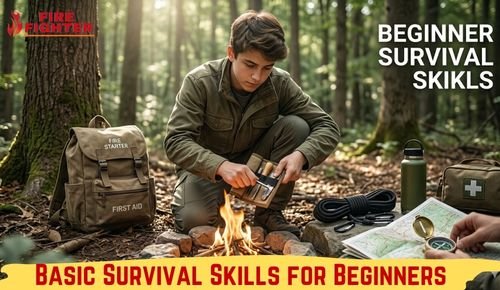
Why Basic Survival Skills Are Important for Beginners
Understanding basic survival skills gives beginners the confidence to handle emergencies effectively.
Whether it’s a natural disaster, getting lost during a hike, or facing urban crises, knowing how to navigate, signal for help, and access food and water is vital.
These skills also improve mental resilience, helping you stay calm and think clearly under pressure. Imagine feeling prepared while exploring the outdoors—that confidence is priceless.
How to Build a Reliable Shelter in the Wild
A reliable shelter is your first step in survival. For beginners, simple options like a lean-to, debris hut, or tarp shelter are effective. Always choose dry ground, away from potential hazards, and use natural materials like branches, leaves, and moss. Picture a triangular wooden frame covered with leafy layers, keeping you dry during rain or snow. This visual makes it easy to generate a realistic survival scene in images.
Finding and Purifying Water for Survival
Water is life, and finding safe drinking water is critical. Beginners should know how to identify freshwater sources such as streams, rivers, and rainfall.
Purifying water is just as important—boiling, filtering, or using purification tablets ensures it’s safe to drink.
Imagine a small campfire with a pot of water steaming under the morning sun, a classic survival scenario perfect for visuals.
Starting a Fire Safely for Warmth and Cooking
Learning to start a fire is an essential survival skill. Fire provides warmth, cooking capability, and a signaling method.
Beginners can practice using matches, a firestarter, or even a magnifying glass on sunny days. Focus on dry tinder like grass, leaves, and bark.
Picture a flickering campfire under the stars, smoke rising gently—a simple yet powerful survival illustration.
Being able to navigate without a compass is critical in unfamiliar terrain. Beginners can use natural cues: follow the sun, observe stars, note moss growth on trees, or track rivers. Visualize a hiker marking directions with a stick or following a stream—this makes for a clear and practical survival image.
Essential First Aid Skills for Beginners
Knowing basic first aid saves lives. Learn to clean and dress wounds, recognize hypothermia, and perform CPR.
Keep a compact first aid kit with bandages, antiseptic, and pain relief. Imagine a neatly organized survival kit laid out on a wooden surface, ready to use—perfect for blog visuals or Pinterest content.
Identifying Edible Plants and Safe Food Sources
Understanding which plants, berries, and roots are safe is crucial. Beginners should start with easy-to-identify edibles like dandelions, wild garlic, and safe berries.
Combine this with fishing or catching small game for protein. Imagine a hand picking bright berries or a simple fishing line cast into a calm stream—visuals that clearly convey survival food sourcing.
Signaling for Help in Emergencies
In emergency situations, signaling for help can save your life. Use bright colors, mirrors, whistles, or smoke from a fire.
Beginners can practice SOS signals with stones, logs, or sand. Picture smoke rising from a forest clearing or an SOS spelled out on a beach—ideal for survival visuals.
Staying Calm and Maintaining a Positive Mindset
Survival is as much mental as it is physical. Beginners must stay calm, focused, and confident. Practice controlled breathing, visualization, and setting small goals. Imagine a hiker sitting calmly on a rock, watching the sunrise, mentally preparing for challenges—a subtle yet inspiring survival image.
Using Basic Tools and Tying Knots
Learning to use basic tools and ropes is essential. Beginners should practice tying knots like bowline, clove hitch, or square knot for shelter and securing items.
Visualize a rope tied around a tree, supporting a tarp shelter—it clearly shows practical outdoor survival skills.
Keeping Safe Around Wildlife
Understanding wildlife behavior ensures safety. Beginners should learn to store food properly, avoid dangerous animals, and maintain safe distances.
Imagine a campsite with food hung high in a tree and a cautious hiker observing the surroundings—this visual clearly communicates outdoor safety practices.
Final Thoughts
Mastering basic survival skills for beginners doesn’t have to be intimidating. Focus on a few skills at a time, practice them regularly, and gradually expand your knowledge.
From building shelter to starting a fire, finding water, signaling for help, and staying calm, each skill improves your confidence, safety, and preparedness.
By developing these foundational survival abilities, you’re not just preparing for emergencies—you’re gaining resilience and life-long outdoor confidence.
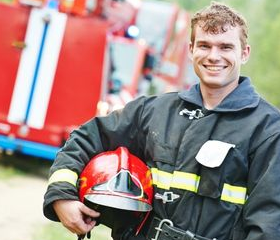
Hi, I m Aaron Smith, a firefighter, and creator of Firefighterline.com, a website that provides top-notch training courses for firefighting organizations. After completing my studies, I quickly rose through the fire service ranks, eventually becoming Captain at one of the busiest fire departments in the state.